Support for Family Members of Veterans
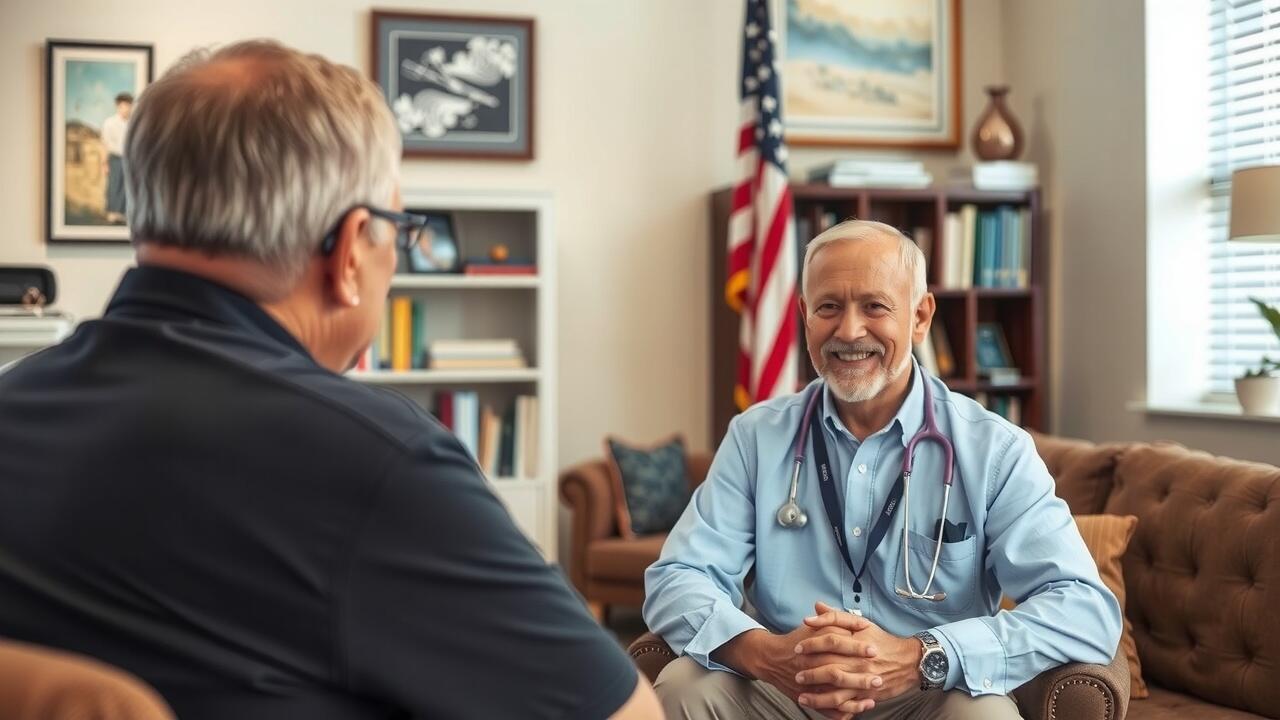
Family members of veterans often face unique challenges, particularly regarding emotional well-being and mental health issues. The support systems available through the VA extend beyond the veterans themselves, recognizing that the families play a crucial role in the overall mental health of those who have served. Resources specifically aimed at educating and assisting family members can help them understand the complexities of veterans' mental health challenges. Programs focused on coping strategies, communication, and emotional resilience equip families with the tools needed to support their loved ones effectively.
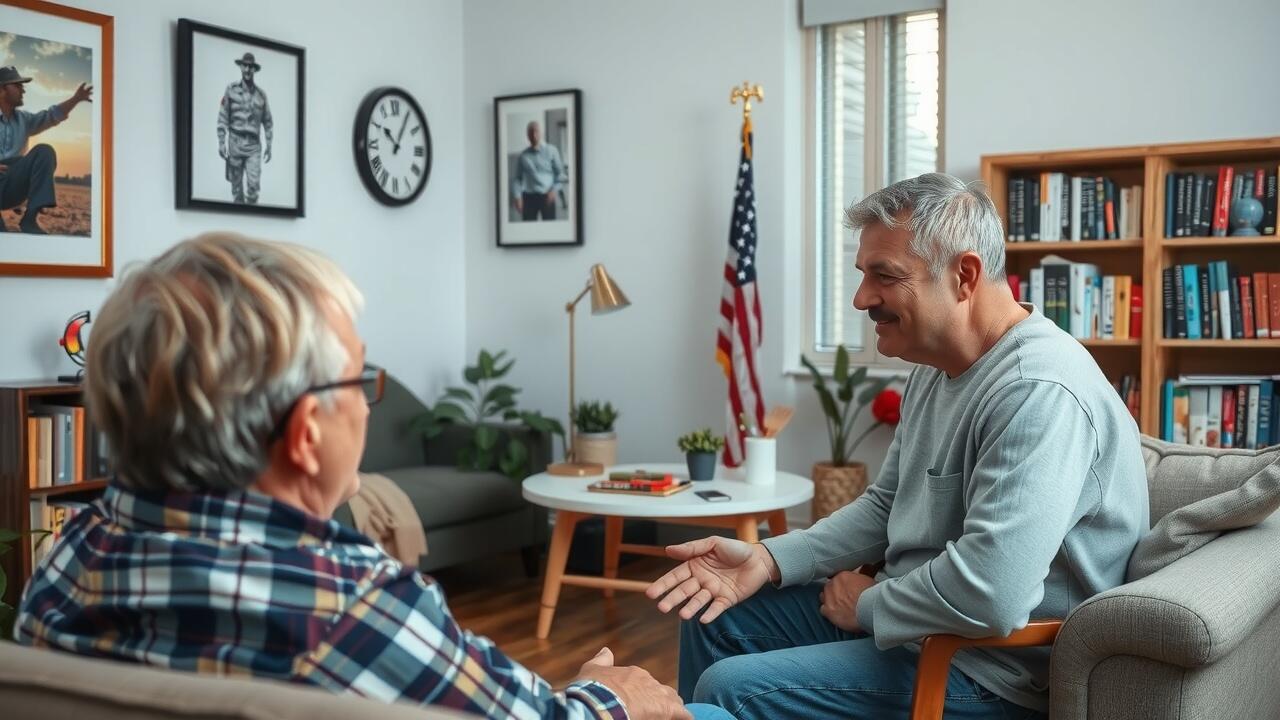
Additionally, there are numerous avenues for family members to find support outside of the VA. Community organizations often provide mental health resources tailored to families navigating the effects of veterans' mental health issues. Such programs may offer counseling services, peer support groups, and educational workshops. By sharing experiences and strategies, families can foster a more nurturing environment, improving not only their own well-being but also that of the veterans in their lives.
Resources Available for Families
Families of veterans often face unique challenges, and various resources are available to support them. The VA provides family counseling services and educational programs that focus on veterans’ mental health. These initiatives aim to empower family members with information and tools to better understand the struggles their loved ones face. Many families also benefit from peer support groups, which create opportunities for sharing experiences and resources among those in similar situations.
In addition to VA offerings, numerous community organizations cater to the mental health needs of veteran families. These programs may include workshops, seminars, and events designed to foster connection and resilience. Access to mental health resources for families is crucial, as it helps create a supportive environment that ultimately contributes to the overall well-being of both veterans and their loved ones. Resources like these emphasize the importance of addressing the mental health needs of families in conjunction with veterans’ mental health services.
Alternative Mental Health Resources
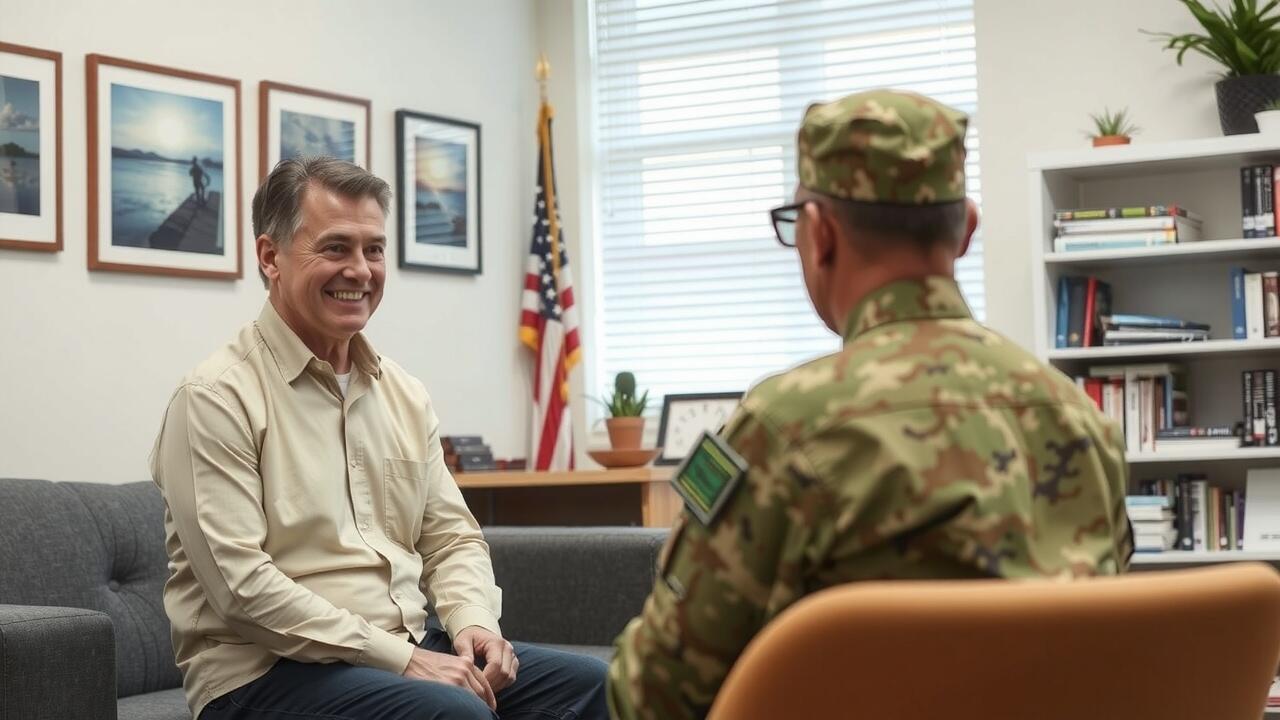
Veterans seeking alternative mental health resources have various options available beyond traditional VA services. Numerous community organizations offer programs specifically designed to support veterans in managing their mental health. These programs often include peer support groups, counseling services, and workshops focused on coping strategies. Many veterans find that engaging with others who have shared similar experiences can significantly enhance their mental well-being.
In addition to community support, online platforms provide resources tailored to veterans’ mental health needs. Various websites and apps offer educational materials, forums for discussion, and opportunities for virtual therapy sessions. These digital resources give veterans the flexibility to access support at their convenience. Utilizing such alternative mental health services can complement traditional VA care, addressing the diverse needs of those who have served in the military.
Community Programs and Support
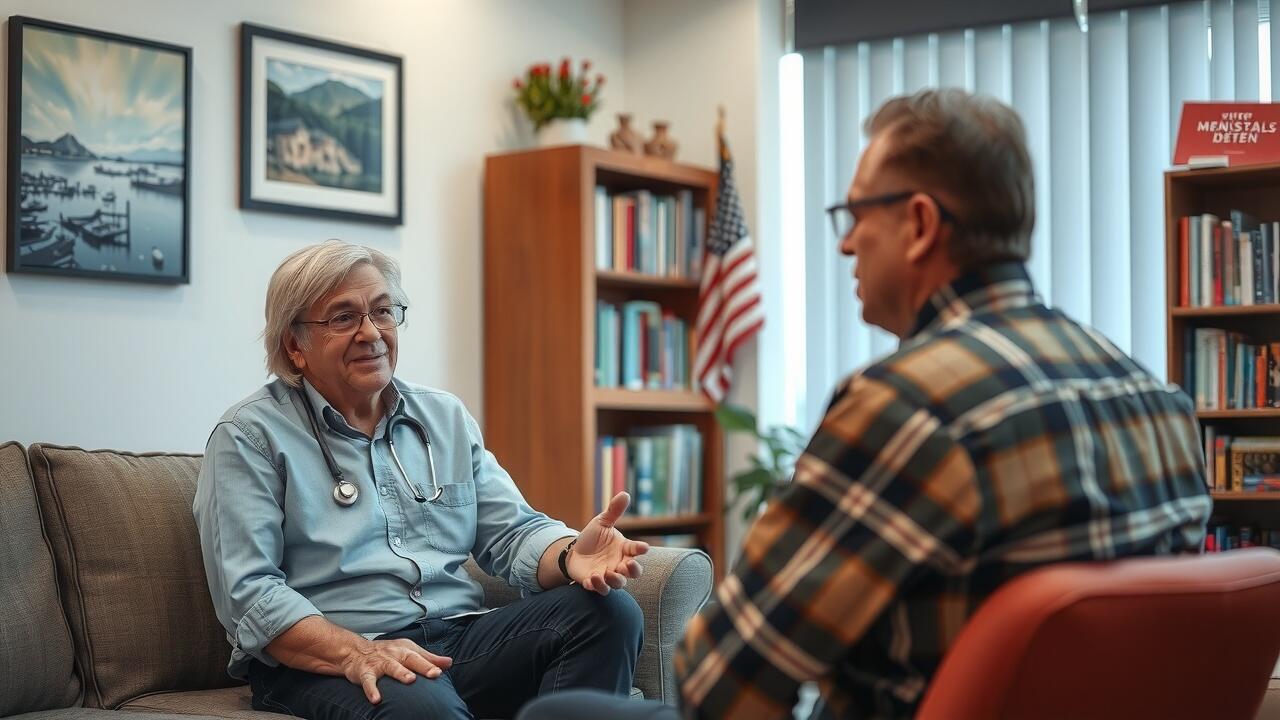
Community programs play a vital role in offering additional support for veterans, particularly in the realm of mental health. Many local organizations and non-profits provide resources tailored to veterans' unique circumstances, helping them navigate challenges like PTSD, anxiety, and depression. These programs often include peer support groups, counseling services, and recreational activities aimed at fostering connection among veterans. Such environments promote healing and enhance overall well-being.
Support systems extended through community initiatives complement the services provided by the VA, recognizing that veterans may seek help outside traditional healthcare settings. Organizations focused on veterans' mental health often collaborate with local businesses, faith-based communities, and volunteer networks. This collaboration creates a comprehensive support structure that not only addresses immediate mental health needs but also encourages long-term recovery and resilience in the veteran population.
Impact of VA Services on Mental Health
The impact of VA services on mental health has been significant for many veterans. Access to specialized care tailored to the unique experiences of veterans plays a crucial role in addressing various mental health challenges. The availability of resources such as counseling, therapy groups, and medication management creates a more supportive environment for veterans overcoming issues like PTSD and depression. Veterans Mental Health programs aim to reduce stigma and encourage more individuals to seek help without the fear of judgment.
Numerous studies indicate that engagement with VA mental health services leads to improved overall well-being. Veterans participating in these programs often report reductions in symptoms associated with anxiety and depression. Additionally, treatment can foster a sense of community, helping veterans connect with peers who share similar experiences. Improving mental health through VA services not only benefits the individuals but also enhances the quality of life for their families and communities.
Improvements Reported by Veterans
Many veterans have shared positive experiences regarding the VA's mental health services. These individuals often report significant improvements in their overall well-being after engaging with specialized programs. Access to therapy, support groups, and medication management has played a crucial role in their recovery process. The sense of community fostered within these programs allows veterans to connect with peers who understand their unique challenges.
Veterans Mental Health services have been pivotal in reducing symptoms of PTSD, anxiety, and depression for numerous participants. Many veterans express a newfound sense of hope and purpose through these services. Success stories often highlight the effectiveness of tailored treatment plans that focus on individual needs. The VA’s commitment to improving the mental health of veterans continues to yield positive outcomes in many lives.
FAQS
Does the VA provide free mental health services to veterans?
Yes, the VA offers a range of free mental health services to eligible veterans, including counseling, therapy, and substance use treatment.
Are family members of veterans eligible for free mental health support through the VA?
While the VA primarily serves veterans, there are resources and programs available to provide mental health support to family members of veterans, including counseling and educational resources.
What types of mental health services are available through the VA?
The VA offers various mental health services, including individual and group therapy, medication management, crisis intervention, and support for conditions such as PTSD and depression.
How can veterans access VA mental health services?
Veterans can access VA mental health services by contacting their local VA medical center, visiting the VA website, or calling the Veterans Crisis Line for immediate support.
Are there community programs available for veterans who need mental health support outside of the VA?
Yes, there are numerous community programs and organizations that offer mental health support tailored to veterans, often at low or no cost. These may include local non-profits, peer support groups, and community mental health centers.