Roles of Geriatric Psychiatrists
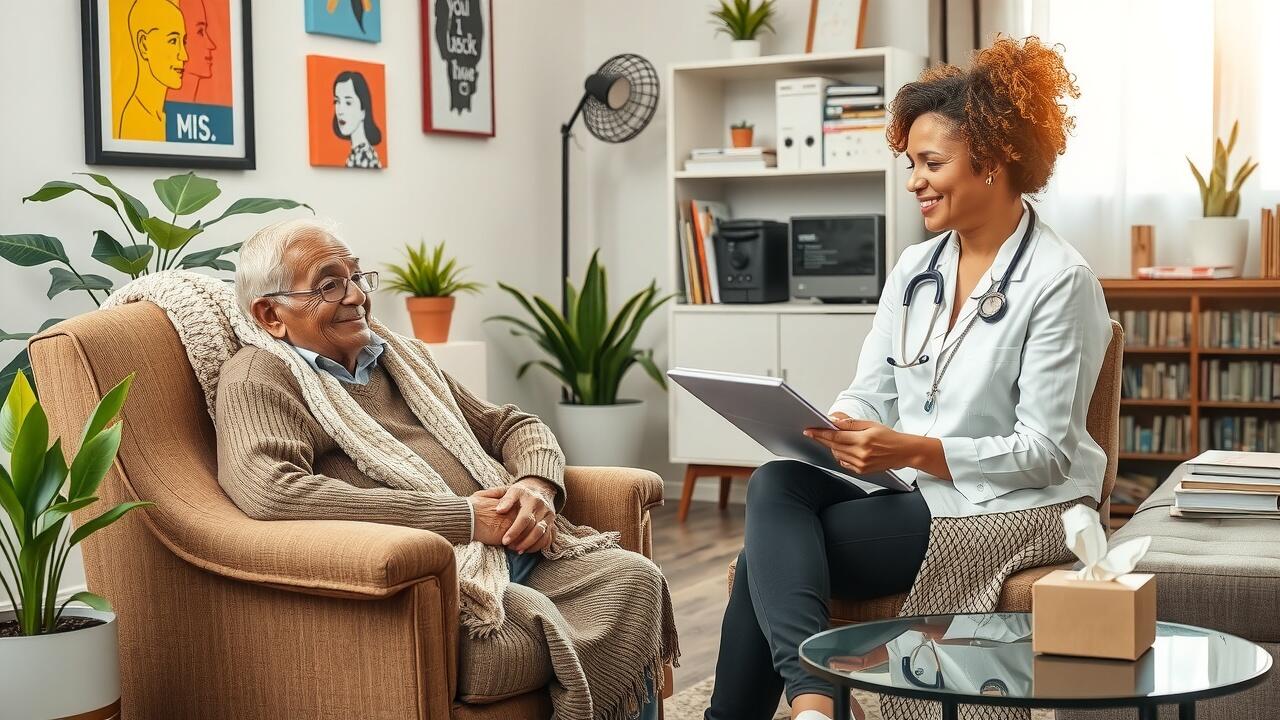
Geriatric psychiatrists specialize in diagnosing and treating mental health issues that affect older adults. Their expertise encompasses a range of conditions, including depression, anxiety, and dementia-related disorders. They work to understand the unique challenges that aging individuals face, often considering factors such as cognitive decline and the impact of chronic physical illnesses on mental well-being. Geriatric psychiatrists play a crucial role in enhancing the quality of life for their patients through tailored treatment plans.
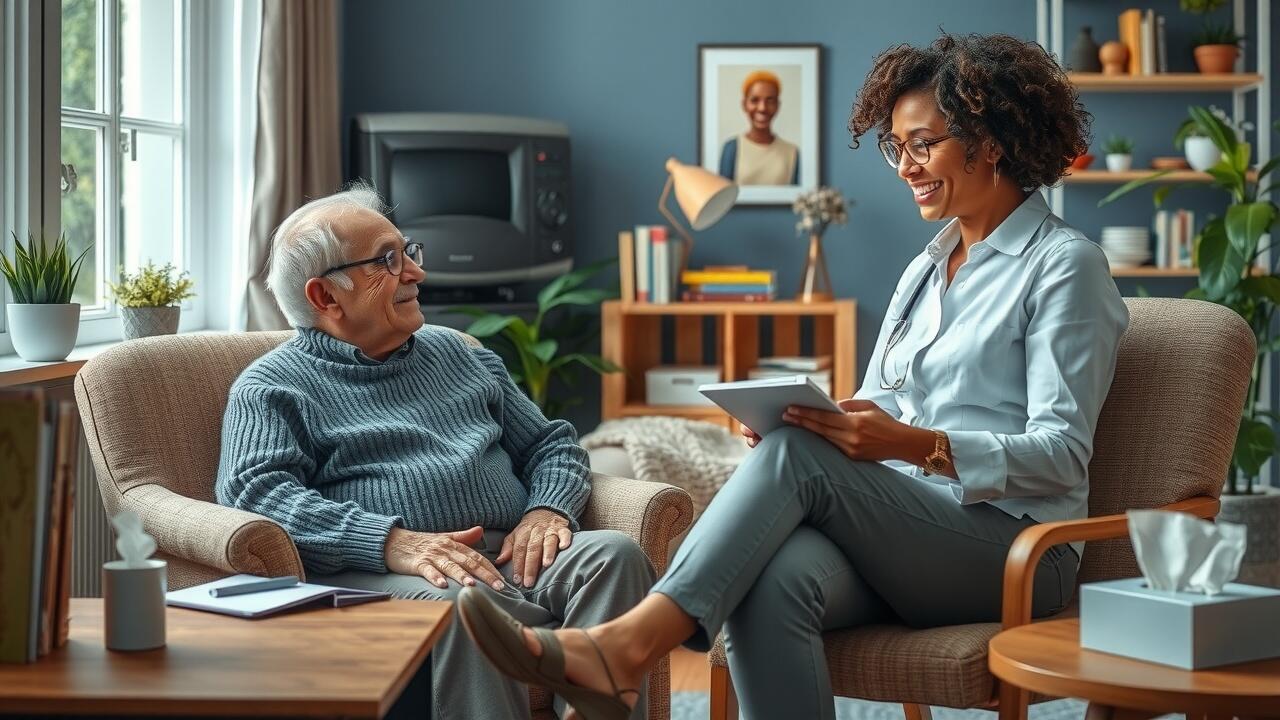
Collaboration is essential in geriatric mental health. These professionals frequently engage with other healthcare providers to ensure a comprehensive approach to patient care. They often coordinate with primary care physicians, social workers, and occupational therapists, fostering an environment that promotes the overall health of older individuals. Their ability to navigate the complexities of comorbidity in aging populations makes them vital in managing both mental and physical health needs effectively.
Collaborative Care and Interdisciplinary Teams
Collaborative care in geriatric mental health emphasizes teamwork among healthcare providers to address the complex needs of older adults. Geriatric psychiatrists work alongside primary care physicians, nurses, social workers, and other specialists to create a comprehensive treatment plan. This approach ensures that all aspects of a patient's health, including physical, emotional, and social factors, are considered and managed effectively. Each team member brings unique expertise, facilitating a more holistic view of the patient's well-being.
Interdisciplinary teams play a critical role in the assessment and management of mental health issues in older adults. Regular communication among team members fosters coordinated care, allowing for timely adjustments to treatment strategies as needed. Involving various disciplines enhances the resources available to patients and their families, promoting better outcomes in geriatric mental health. This collaborative model not only improves the quality of care but also supports the emotional and psychological needs of older adults.
Family Involvement in Geriatric Mental Health
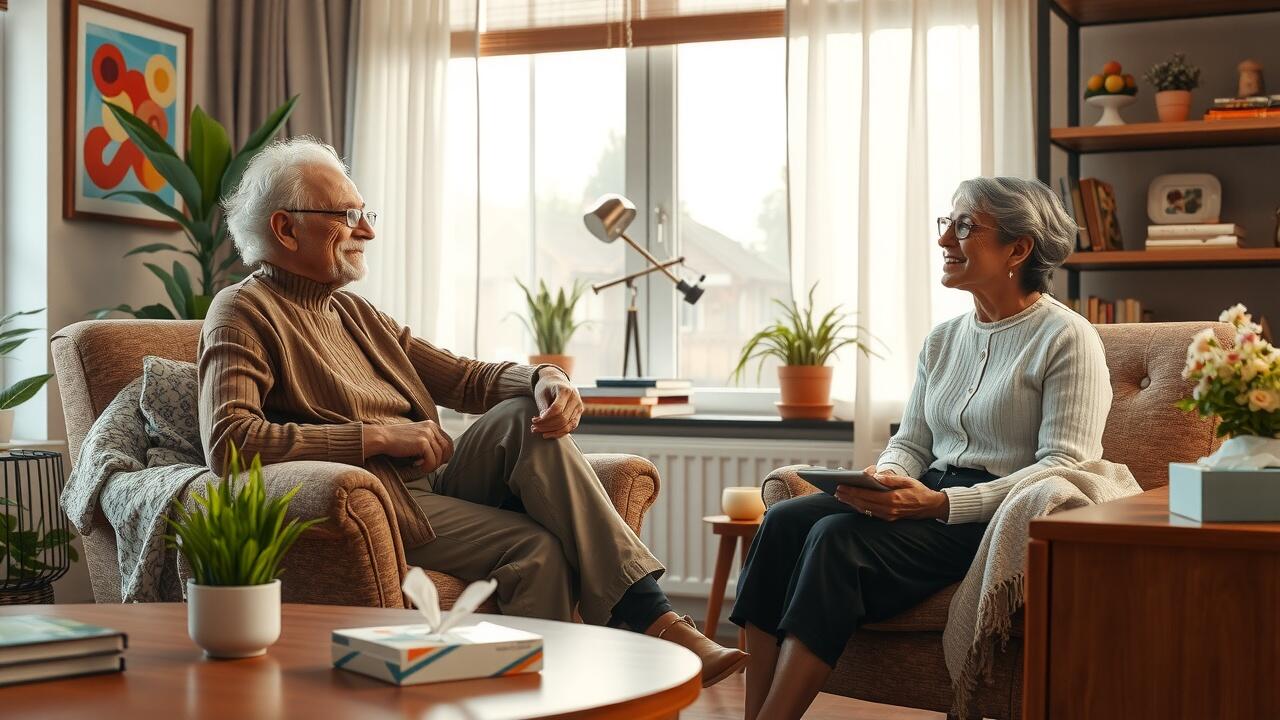
Family involvement plays a crucial role in geriatric mental health assessment and treatment. When family members actively participate, they can provide valuable insights into the individual’s history, daily routines, and behavioral changes. This information can help healthcare providers design more effective treatment plans tailored to the unique needs of older adults. Family support also fosters a sense of security and belonging, contributing to better emotional well-being during challenging times.
Moreover, engaging family members in the caregiving process enhances their understanding of the older adult’s mental health conditions. This knowledge enables them to recognize symptoms and understand treatment options, promoting better adherence to medications and therapies. Establishing open communication channels among family members, caregivers, and healthcare providers is essential in creating a comprehensive support network. Such collaboration can significantly impact the effectiveness of interventions aimed at improving geriatric mental health outcomes.
Support Systems and Communication
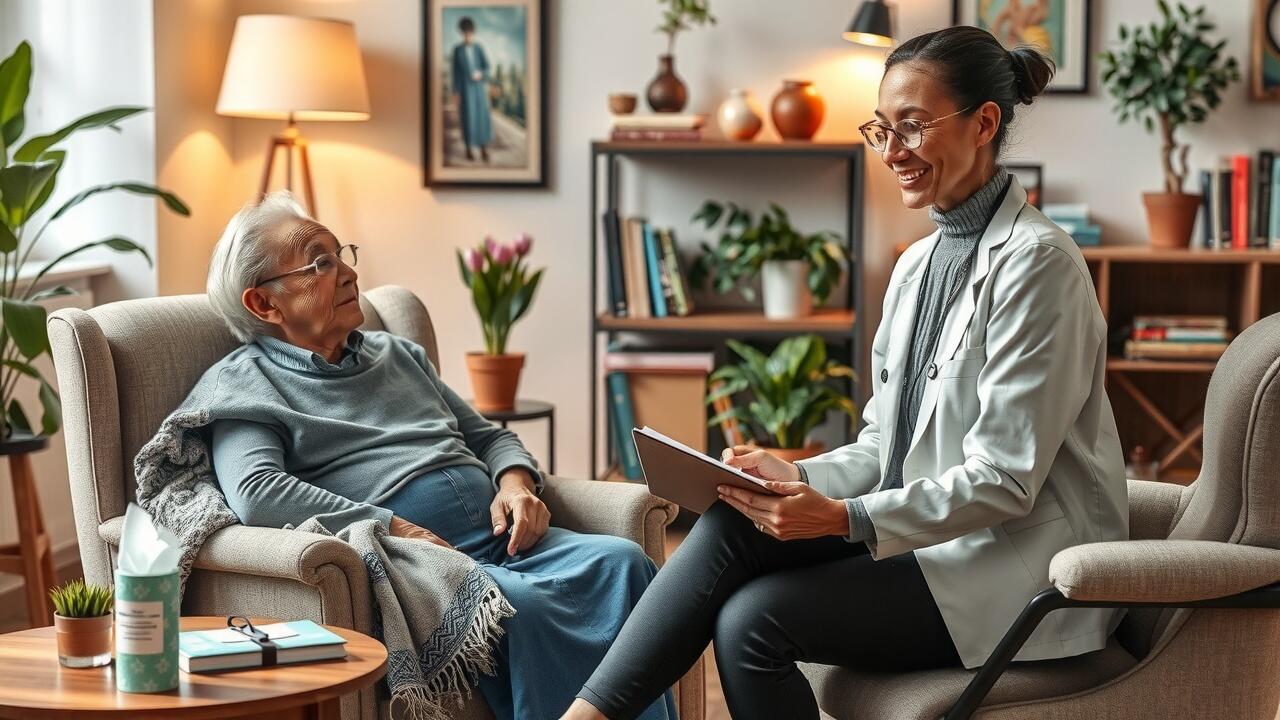
Support systems are essential in the realm of geriatric mental health. Family members often serve as primary caregivers, offering emotional support and stability. Their involvement can significantly impact treatment outcomes and improve adherence to care plans. Education about mental health conditions and available resources empowers families to take a proactive role. Open communication is vital in these relationships, helping to address concerns and adjust caregiving strategies as needed.
Effective communication between healthcare providers, patients, and families enhances understanding and facilitates better care in geriatric mental health. Regular updates on the patient's condition and treatment progress help all parties involved stay informed. This collaborative approach fosters trust and encourages patients to voice their concerns and preferences. Utilizing various communication methods, including digital tools, can bridge the gap between professionals and families, ensuring ongoing support.
The Role of Technology in Geriatric Psychiatry
Technology plays an increasingly vital role in the field of geriatric psychiatry. Innovations such as telehealth have transformed how mental health services are delivered to older adults. Many individuals may face mobility challenges or have limitations that prevent them from attending in-person appointments. Telehealth offers a convenient alternative, allowing remote consultations that can enhance accessibility and adherence to treatment plans. This shift not only helps in reaching underserved populations but also fosters continuity of care for patients with complex health needs.
In addition to telehealth, various mental health applications are emerging specifically designed for older adults. These apps aim to support geriatric mental health by offering resources, coping strategies, and therapeutic exercises tailored to this age group. Many apps also include monitoring features, allowing caregivers and healthcare providers to track mood changes and therapeutic progress. By integrating technology into treatment plans, geriatric psychiatrists can offer more personalized care, making it easier for patients to engage with their mental health while navigating the unique challenges of aging.
Telehealth and Mental Health Apps
Telehealth has emerged as a vital tool within geriatric mental health, providing accessible services to elderly patients who may face barriers to in-person visits. With the use of video conferencing and remote consultations, psychiatrists can address mental health needs from the comfort of a patient’s home. This approach not only enhances convenience but also allows for timely interventions, reducing the risk of exacerbating conditions that often accompany aging.
Mental health apps are increasingly becoming part of the treatment landscape in geriatric mental health. These applications offer resources for mood tracking, mindfulness exercises, and even cognitive behavioral therapy techniques. Users can engage with their mental health on a daily basis, gaining insights into their emotional patterns and coping strategies. The incorporation of technology into geriatric care aims to empower older adults, fostering independence while ensuring they receive the support they need.
FAQS
What is geriatric psychiatry?
Geriatric psychiatry is a specialized field of medicine that focuses on the mental health and emotional well-being of older adults. It addresses issues such as dementia, depression, anxiety, and other mental health disorders that commonly affect the elderly.
What roles do geriatric psychiatrists play in patient care?
Geriatric psychiatrists assess and diagnose mental health conditions, develop treatment plans, provide therapy, and collaborate with other healthcare professionals to ensure comprehensive care for older adults.
How important is family involvement in geriatric mental health?
Family involvement is crucial in geriatric mental health as it provides support, improves communication, and helps in understanding the patient's needs, which can enhance treatment outcomes.
What support systems are available for older adults dealing with mental health issues?
Support systems for older adults may include community resources, support groups, family support, and professional care teams that work collaboratively to provide emotional and practical assistance.
How has technology impacted geriatric psychiatry?
Technology, such as telehealth and mental health apps, has improved access to care for older adults, allowing them to receive treatment and support from the comfort of their homes while facilitating communication with healthcare providers.